Beijing’s influence in the Balkans continues to grow, but we should not compare it with Russia. Chinese influence differs in both motives and tools used for its spreading.
Beijing’s influence in the Balkans continues to grow, but we should not compare it with Russia. Chinese influence differs in both motives and tools used for its spreading.
Big words, little deeds: Chinese investment plans in Slovakia don’t live up to their expectations so far. The simplified narrative of the Central European countries as a “bridge and gate” between China and the EU needs to make way for a more realistic vision.
Ever since its inception in 2012, the Chinese-led ‘16+1 platform’ between China and 16 Central and Eastern European (CEE) countries has attracted a considerable amount of criticism in Western Europe for allegedly undermining EU unity.
After his 2007 visit of China, Slovakia’s then Prime Minister Fico returned with a notion of China becoming a new source of investment and a new market for Slovak exports. Fico’s dreams of doing business with China have echoed throughout Slovak policy circles ever since. Much of the Slovak desire to do business with China… Continue reading Pitfalls of Slovakia’s Chinese dreams
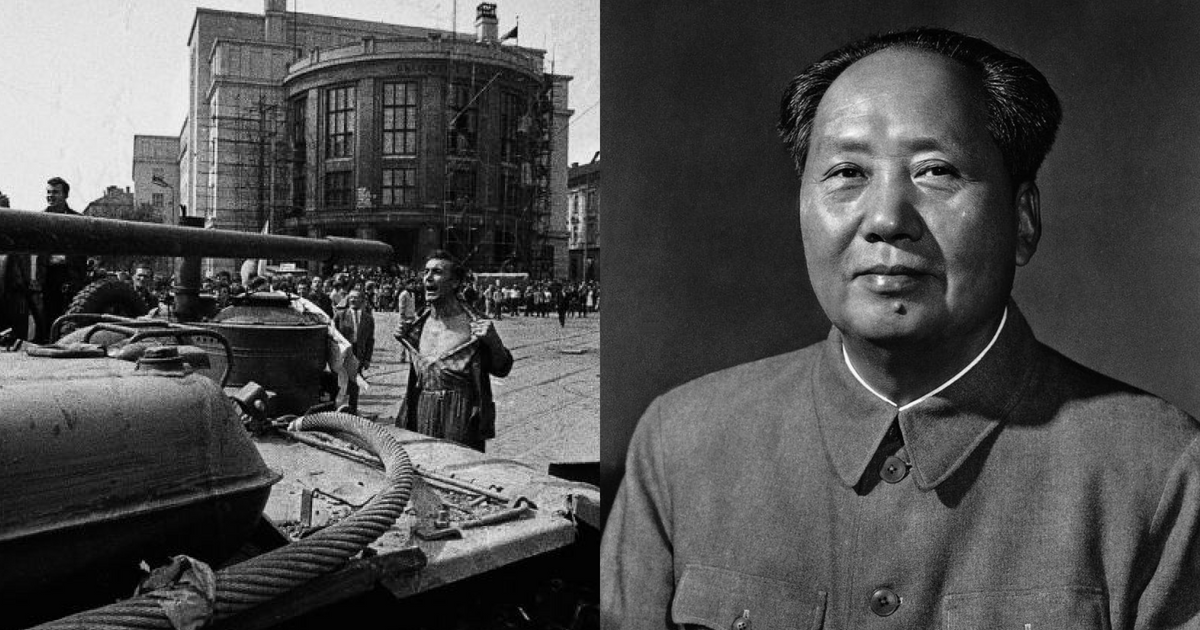
When tanks of the Warsaw Pact countries rolled into Czechoslovakia in the early hours of August 21, 1968, the hopes for building „communism with a human face“ were mercilessly crashed. After the suppression of the Hungarian uprising more than ten years before, the Soviet Union once again proved determination to counter any centrifugal forces within… Continue reading Ideology and geopolitics: Chinese reaction to the 1968 invasion of Czechoslovakia