CEIAS

Slovenia: Leaning towards a gradual and selective academic cooperation with China

Slovenia’s higher education and research system comprises public and private institutions. Slovenia has four public universities: the University of Ljubljana, the University of Maribor, the University of Primorska, and the University of Nova Gorica. Additionally, Slovenia has several public research institutes, the most notable being the Jožef Stefan Institute and the National Institute of Chemistry,… Continue reading Slovenia: Leaning towards a gradual and selective academic cooperation with China

Greece: The overlooked risks of academic cooperation with China

Between 2010 and 2020, Greece experienced a deep fiscal crisis that placed considerable strain on its economic and political relationship with the EU. In contrast, during the same period, relations between Athens and Beijing grew significantly closer, with partnerships emerging across multiple sectors and expanding in scope and depth. A hallmark of this burgeoning relationship… Continue reading Greece: The overlooked risks of academic cooperation with China

Situation report: China’s AI in Central European social media narratives

Key takeaways: China’s progress in the development of AI, marked by the launch of DeepSeek, has been lauded by Chinese state-affiliated media accounts in Central Europe as further evidence of the country’s technological growth, unimpeded by US efforts to constrain it. While some local politicians and social media actors highlight the risk of relying on… Continue reading Situation report: China’s AI in Central European social media narratives

France: An uneven awakening to the risks posed by China in academic cooperation

France’s academic ecosystem is distinctive, comprising universities (such as Sorbonne Université), prestigious public institutions (École Polytechnique) or semi-private “grandes écoles” (Sciences Po), and private higher education institutions, including business schools like HEC. Most academic bodies within the public sector are funded by the Ministry of Higher Education and Research, although there are exceptions. École Polytechnique,… Continue reading France: An uneven awakening to the risks posed by China in academic cooperation

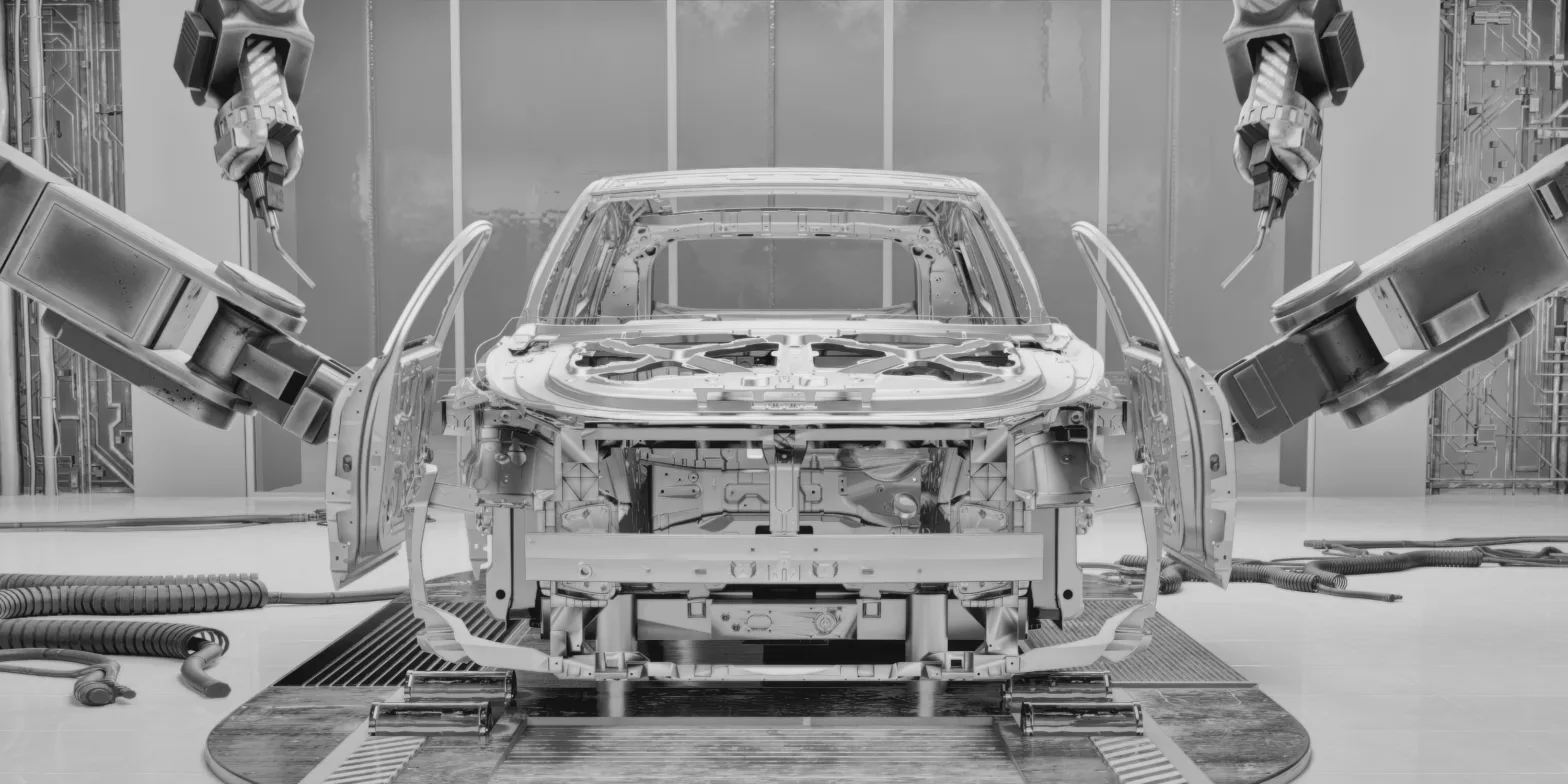
Central Europe-East Asia EV nexus: Tracking Chinese, South Korean and Japanese electric vehicle and battery investment in the V4 countries

A confluence of factors is challenging the industrial structure and the long-standing business model of four Central and Eastern European (CEE) countries: Czechia, Hungary, Poland, and Slovakia—collectively known as the Visegrad Four (V4). Since their transformation from command economies to free markets in the early 1990s, the automotive industry has been the backbone of their… Continue reading Central Europe-East Asia EV nexus: Tracking Chinese, South Korean and Japanese electric vehicle and battery investment in the V4 countries

office@ceias.eu

Dunajská 37
81108 Bratislava
Slovakia

Sign up for our newsletter to receive the latest news and updates from CEIAS.

All rights reserved.

© CEIAS 2013-2026