CEIAS

Aren’t Cambodia’s Journalists Tired Of Being Spoken Down To?

The country’s government views the press as an adjunct of power. There’s a polite warning about throwing stones in glass houses. There’s a more impolite instruction to know the extent of one’s own ignorance. In perusing the Phnom Penh Post’s recent piece (“PM calls for ‘ethical fourth estate’,” January 23), one is compelled to scrutinize what emanated… Continue reading Aren’t Cambodia’s Journalists Tired Of Being Spoken Down To?

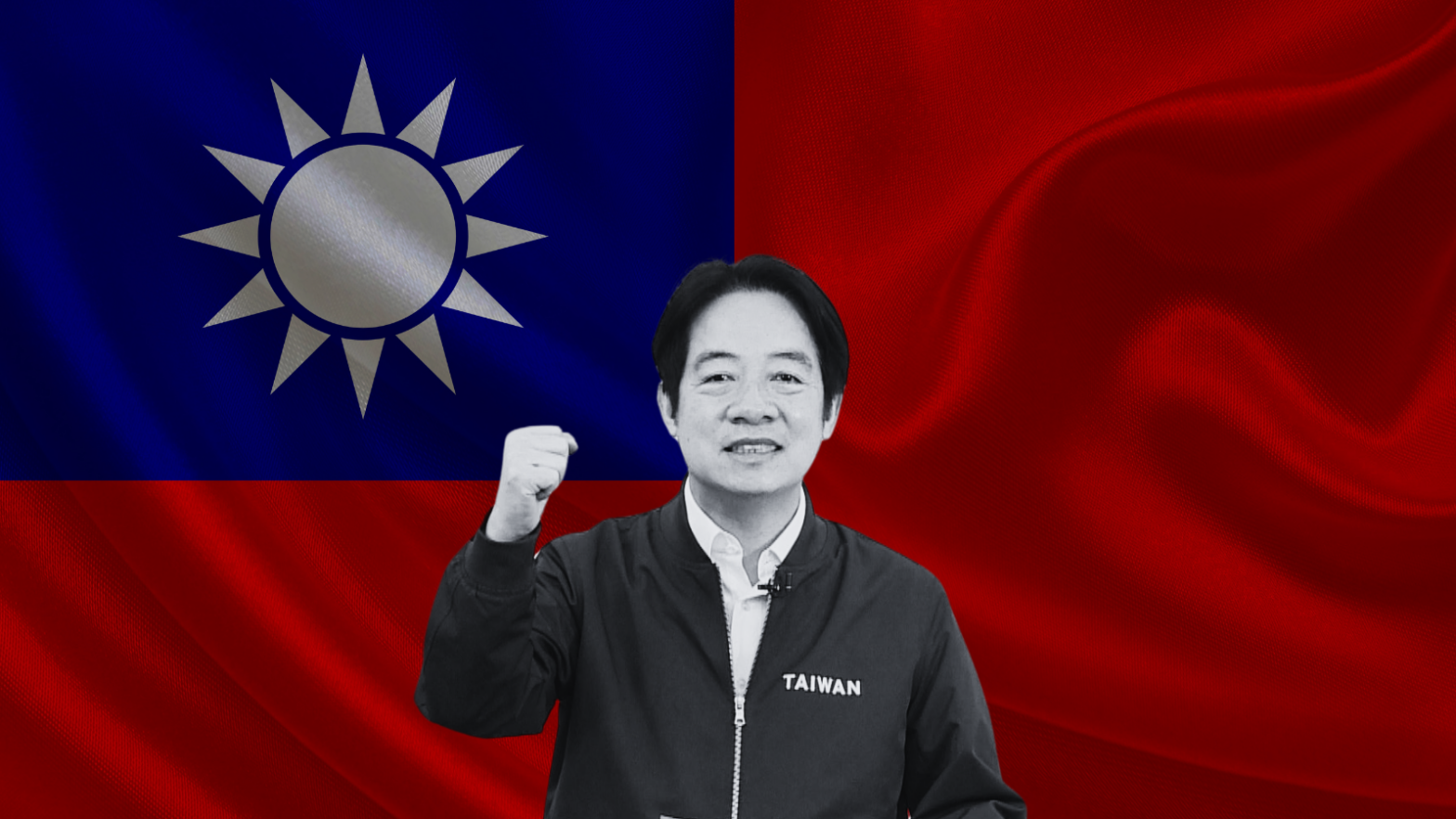
Taiwan Elections 2024 Explained: What to Expect?

January 13th was a celebration of democracy in Taiwan. The small island country, which emerged in the 1990s from authoritarian rule (having experienced one of the longest periods of martial law in the world), held joint presidential and parliamentary elections. The current ruling party maintained the presidency; however, the new president will face a hung… Continue reading Taiwan Elections 2024 Explained: What to Expect?

Balancing and partnering – Why we should pay attention to Taiwan’s vice-presidential candidates

Last November, adding further suspense to Taiwan’s gripping election campaigns, presidential candidates presented their running mates and registered as pairs with the national election authorities. The presidential candidates based their choices on very different considerations. Presidential front-runner Lai Ching-te (賴清德), from the incumbent Democratic Progressive Party (DPP), was the first to reveal what many had… Continue reading Balancing and partnering – Why we should pay attention to Taiwan’s vice-presidential candidates

Nguyen Phu Trong Would Find An Ally In Dickens

The political vision of the Communist Party chief is built on a bedrock of Victorian moralism. Outside my window, as I write, snow is falling in clods, scattering powder on the ground I fear won’t last until the 25th. Christmastime is upon us and, naturally, a worn-down copy of “A Christmas Carol” is being thumbed… Continue reading Nguyen Phu Trong Would Find An Ally In Dickens

Asia’s communist regimes are breaking their intergenerational social contracts

China, Laos and Vietnam have set aside norms on power transfer and kept elders in charge. A few years after embracing a market economy – with Deng Xioping’s reforms in the early 1980s, the Vietnamese Communist Party’s Doi Moi and the Lao People’s Revolutionary Party’s New Economic Policy in 1986 – the three communist party-states set about… Continue reading Asia’s communist regimes are breaking their intergenerational social contracts

office@ceias.eu

Dunajská 37
81108 Bratislava
Slovakia

Sign up for our newsletter to receive the latest news and updates from CEIAS.

All rights reserved.

© CEIAS 2013-2024