CEIAS

Is the future looking East? Education and the remaking of global influence

International students’ mobility patterns go well beyond personal choices. They reflect economic realignments, geopolitical tension, and calculated state strategy. As these flows shift, they may quietly recast the balance of power between West and East. Key takeaways: The dramatic improvement in the quality of education in Asia has become a major factor reshaping the geography… Continue reading Is the future looking East? Education and the remaking of global influence

“AI Plus”: China’s new authoritarianism

While China seeks to consolidate its existing EU-critical infrastructure, Beijing aims to extend beyond 5G and the grid. Its “AI Plus” strategy seeks to embed AI across industries and digital ecosystems, thereby generating security risks, while also implementing a refined authoritarian outlook. Key takeaways: As the EU begins to look at policy options to deal… Continue reading “AI Plus”: China’s new authoritarianism

Between openness and security: The EU’s conflicted identity in a new age of superpower rivalry

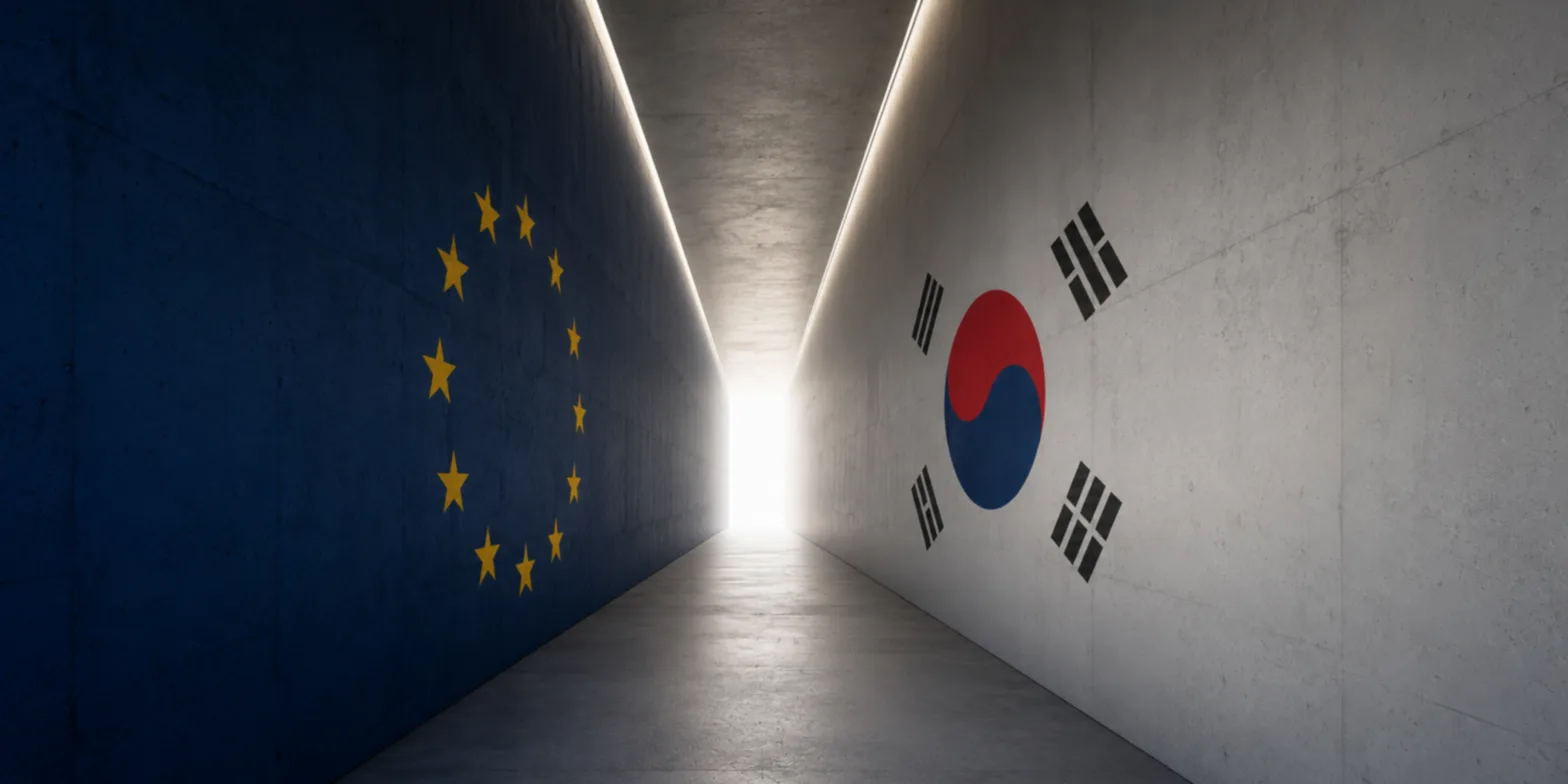
The EU’s recently unveiled Economic Security Doctrine, the ReSourceEU Action Plan, and the Omnibus I package signal a tentative shift toward a more (neo)realist approach shaped by geopolitical rivalry and security concerns. This, however, sits uneasily with the EU’s enduring commitment to open markets and (neo)liberal values, reviving familiar questions about the bloc’s global role,… Continue reading Between openness and security: The EU’s conflicted identity in a new age of superpower rivalry

What does Trump’s Greenland grab mean for Taiwan?

Questions are being raise worldwide, including in Taiwan, about the credibility of U.S. economic, security, and other commitments under a more openly transactional “Donroe Doctrine.” As the World Economic Forum convenes in Davos, U.S. President Donald Trump’s announcement that he will impose tariffs on eight European allies – Denmark, Finland, France, Germany, Norway, Sweden, the… Continue reading What does Trump’s Greenland grab mean for Taiwan?

What the Molotov-Ribbentrop Pact teaches us about today’s alignment between Russia and China

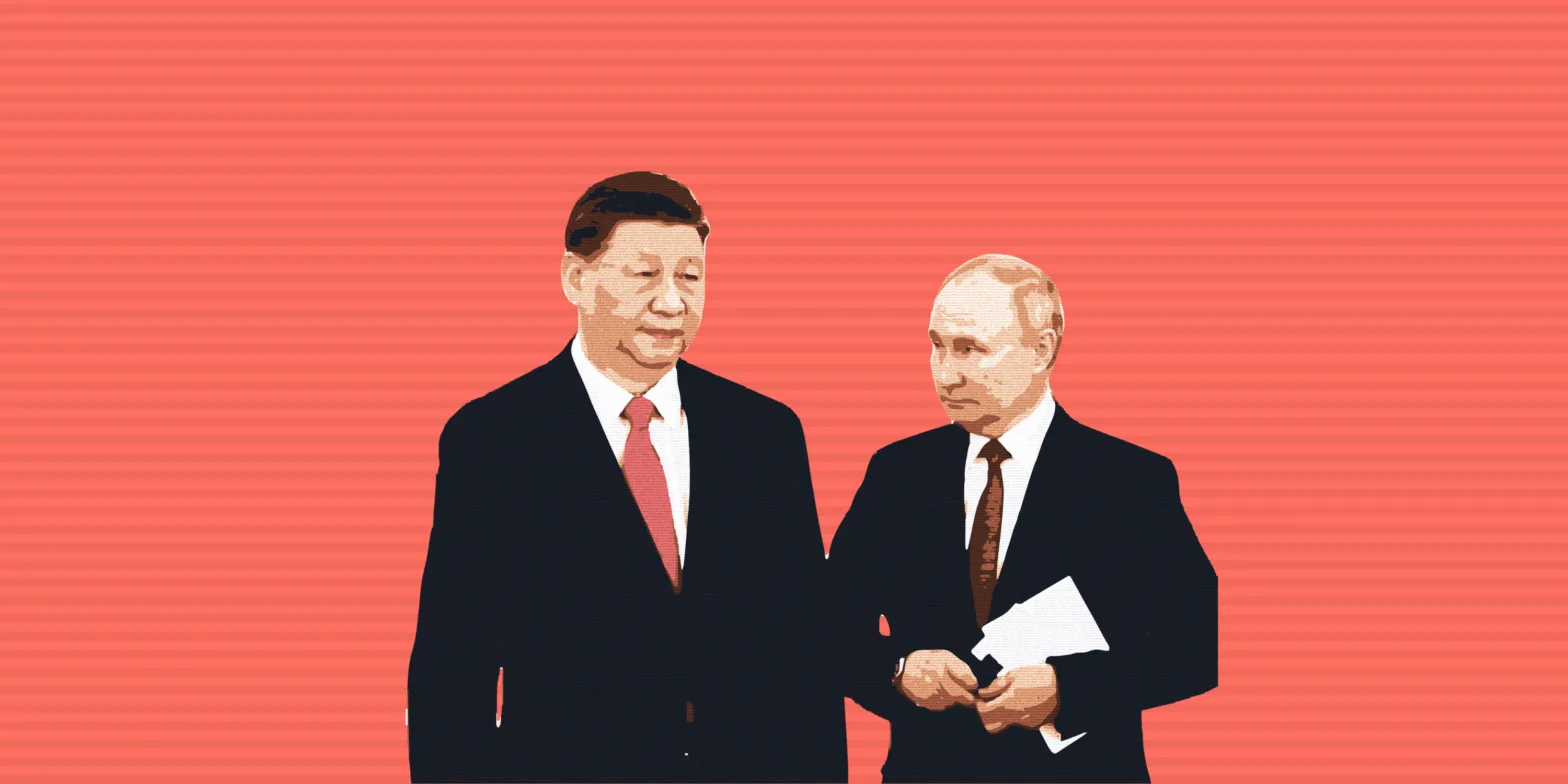
The lack of a formal military alliance or mutual trust makes the current China-Russia partnership no less threatening to international stability. Key takeaways: As history shows, strategic cooperation between major powers does not require trust or shared ideology; temporary alignment alone can enable rapid and highly disruptive shifts in the international order. A comparable dynamic… Continue reading What the Molotov-Ribbentrop Pact teaches us about today’s alignment between Russia and China

office@ceias.eu

Dunajská 37
81108 Bratislava
Slovakia

Sign up for our newsletter to receive the latest news and updates from CEIAS.

All rights reserved.

© CEIAS 2013-2024