CEIAS

Will the Philippines’ solar energy surge outlast the Hormuz crisis?

The Hormuz crisis exposed the Philippines’ longstanding vulnerability to energy price shocks. With electricity prices already among the highest in Southeast Asia and a heavy reliance on imported fossil fuels, the country entered the crisis with limited room to absorb further increases in energy costs. As a result, the crisis accelerated decentralized solar adoption without… Continue reading Will the Philippines’ solar energy surge outlast the Hormuz crisis?

A Slovak-Japanese momentum that may not come again

The revival of the V4+Japan format and Nippon Steel’s takeover of the Košice steelworks offer Slovakia a historic opportunity to elevate its relations with Tokyo. Whether this momentum turns into lasting cooperation will depend largely on Slovakia’s foreign policy consistency – in Brussels, on Ukraine, and towards Beijing. Key takeaways: Nippon Steel’s acquisition of US… Continue reading A Slovak-Japanese momentum that may not come again

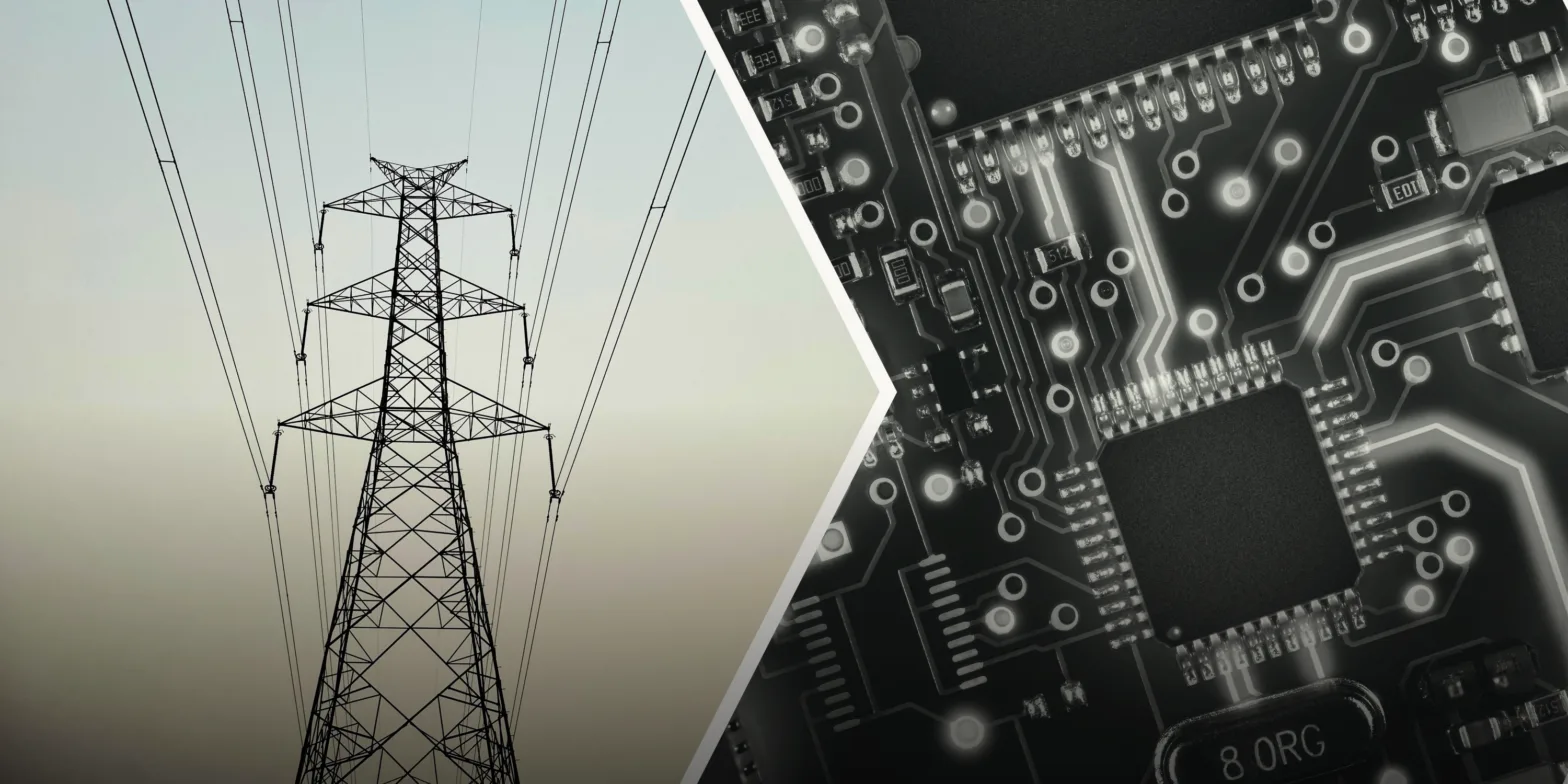
Europe’s chip de-risking has no energy chapter

European semiconductor policy treats Taiwan as a supply-chain problem of fabs, capacity, and critical materials. It overlooks the one input that underpins every advanced wafer made on the island: electricity. Key takeaways: More than 90% of the world’s most advanced chips are made in Taiwan, and every one of those fabs is a major electrical… Continue reading Europe’s chip de-risking has no energy chapter

Europe is increasing its military engagements with ASEAN states

France, Spain, and Italy primarily export naval and air platforms to Southeast Asia, whereas the Visegrád Four, primarily Czechia and Poland, focus on armored vehicles and drones. Key takeaways: Western European states supply Southeast Asia with advanced air and naval platforms, often linked to local industrial participation, while Central European countries concentrate on land systems… Continue reading Europe is increasing its military engagements with ASEAN states

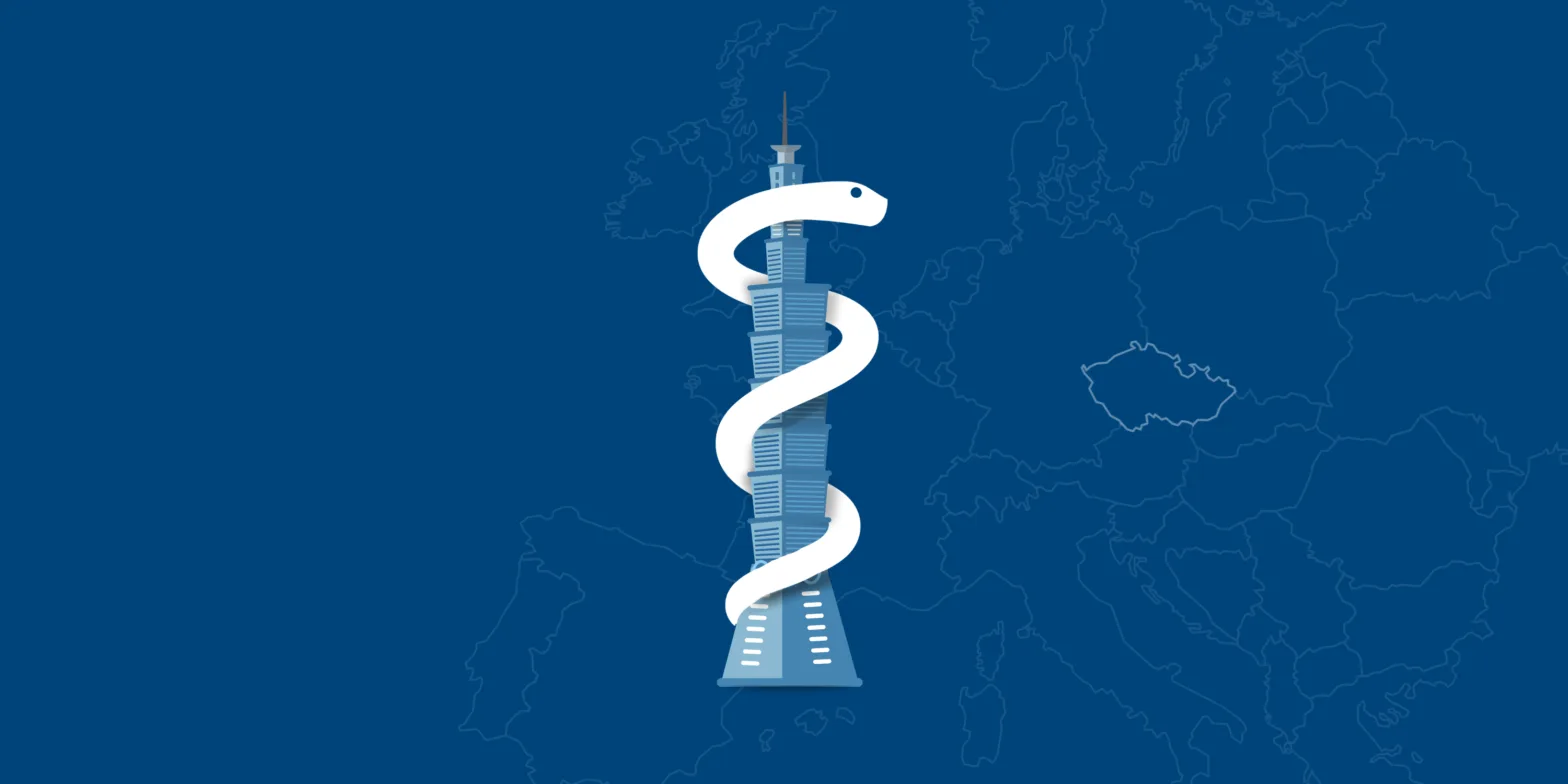
As the European population ages, is AI in healthcare another opportunity to build a Czech-Taiwan partnership?

To prepare for an aging society, Czechia can expand its technological and economic ties with Taiwan into AI-driven healthcare, another field in which Taiwan has made significant advances. While strengthening its relationship with Czechia, Taiwan can gain access to a hub for collaboration with European healthcare technology stakeholders. Key takeaways: In addition to semiconductors, Taiwan… Continue reading As the European population ages, is AI in healthcare another opportunity to build a Czech-Taiwan partnership?

office@ceias.eu

Dunajská 37
81108 Bratislava
Slovakia

Sign up for our newsletter to receive the latest news and updates from CEIAS.

All rights reserved.

© CEIAS 2013-2026