CEIAS

Central Asia and the Belt and Road Initiative: Inside-Out Reflections and Restrained Optimism from Kazakhstan

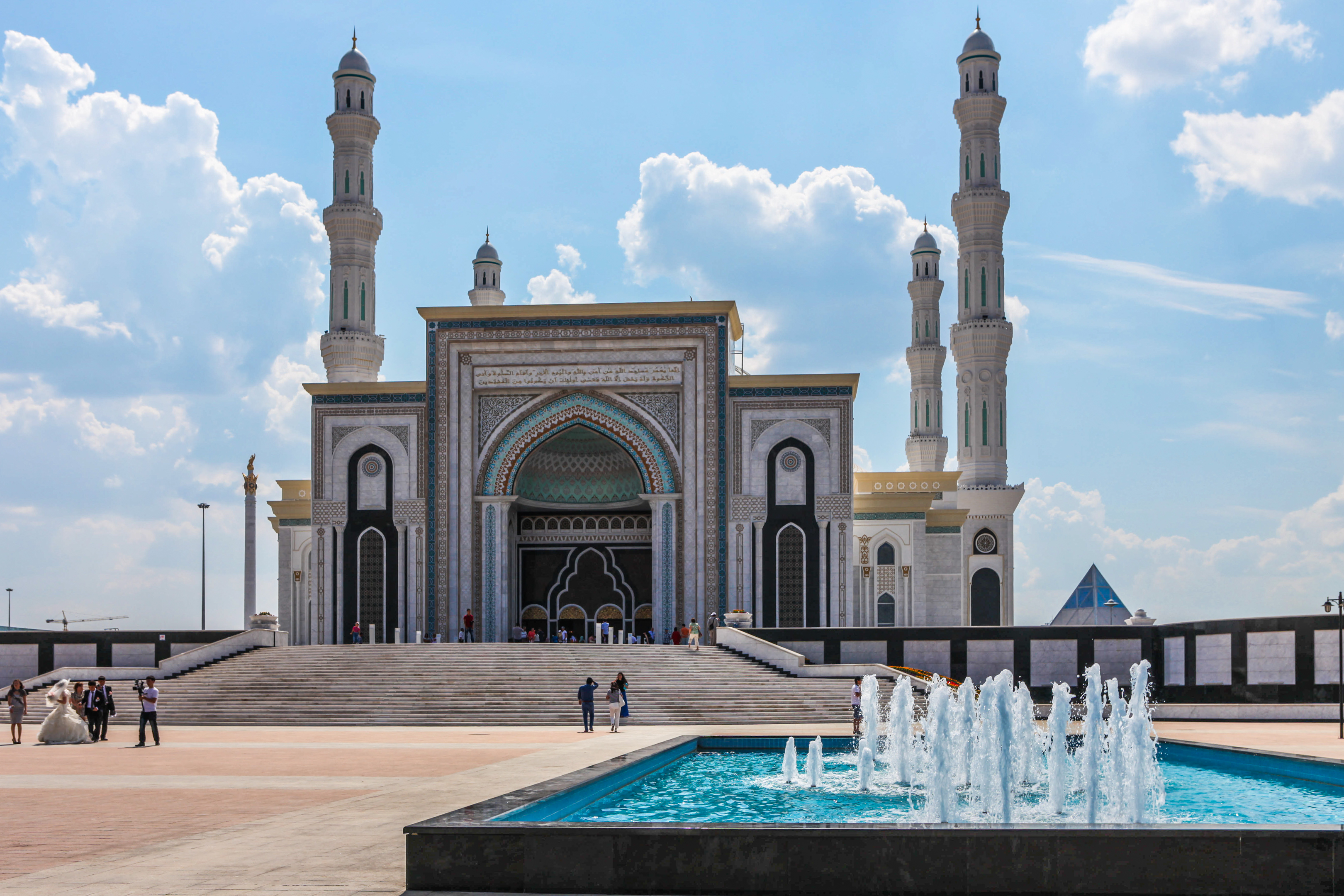
The Central Asian governments have enthusiastically joined the Belt and Road Initiative, with their officials already hailing the positive changes that the initiative has supposedly brought about. But is this optimistic attitude not misplaced? This contribution discusses some of the claims from the perspective of Kazakhstan. The Belt and Road Initiative (BRI) is often perceived… Continue reading Central Asia and the Belt and Road Initiative: Inside-Out Reflections and Restrained Optimism from Kazakhstan

China’s West meets Europe’s East

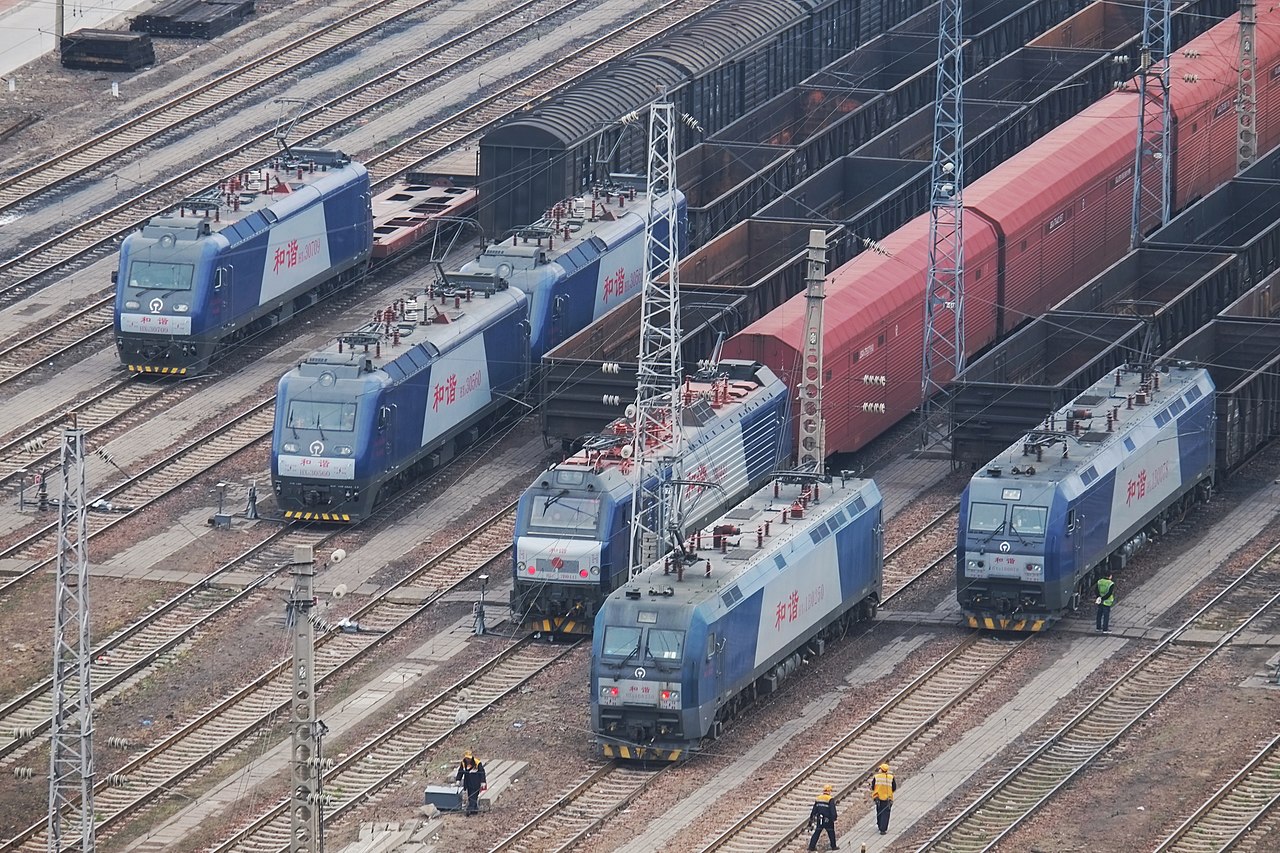
A new external player with a comprehensive strategy is entering the region with the intention to stay for an indefinite time. This will cause long-term implications in Eastern Europe in terms of reshuffling of geopolitical and geo-economic reality involving Russia and the West. In the presence of various significant external actors in Eastern Europe, Beijing… Continue reading China’s West meets Europe’s East

Sino-Russian cross-border distrust in the longue durée

The Sino-Russian border is an example of an international border that has been under recurrent and intense stress since its establishment at the end of the 17th century. During this long period, power misbalances and political mistrust between the two states pervaded territorial disputes, ethnic conflicts, the border clashes of the 1960s, the arms race… Continue reading Sino-Russian cross-border distrust in the longue durée

V Hongkongu bojujú o slobodu slova

Mladí si myslia, že sa ich problémy Číny netýkajú. Jediné miesto v Číne, v ktorom si môžu občania slobodne pripomenúť výročie masakru na Námestí nebeského pokoja v Pekingu, je bývalá britská kolónia Hongkong. Miestni občania svoje právo pri príležitosti tridsiateho výročia s chuťou využili a do parku pomenovaného po kráľovnej Viktórii ich prišlo zapáliť sviečku… Continue reading V Hongkongu bojujú o slobodu slova

Rozhovor: Čínsky režim sa najviac bojí nespokojnosti obyvateľov

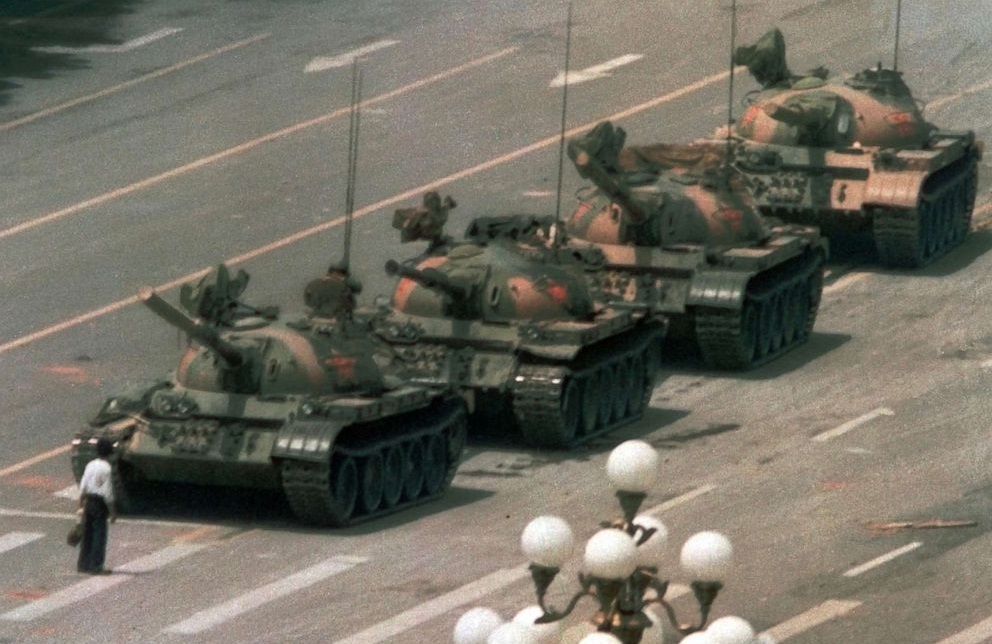
Čína by dnes nebola demokratickejšia, ak by pred tridsiatimi rokmi nedošlo ku krvavému potlačeniu protestov na Námestí nebeského pokoja v Pekingu. Režim by si našiel iný dôvod a príležitosť, hovorí analytik a výkonný riaditeľ Inštitútu ázijských štúdií Matej Šimalčík. Čo vie dnes bežný Číňan o 4. júni 1989 a potlačení protestov? Je tá téma úplne… Continue reading Rozhovor: Čínsky režim sa najviac bojí nespokojnosti obyvateľov

office@ceias.eu

Dunajská 37
81108 Bratislava
Slovakia

Sign up for our newsletter to receive the latest news and updates from CEIAS.

All rights reserved.

© CEIAS 2013-2024