CEIAS

“AI Plus”: China’s new authoritarianism

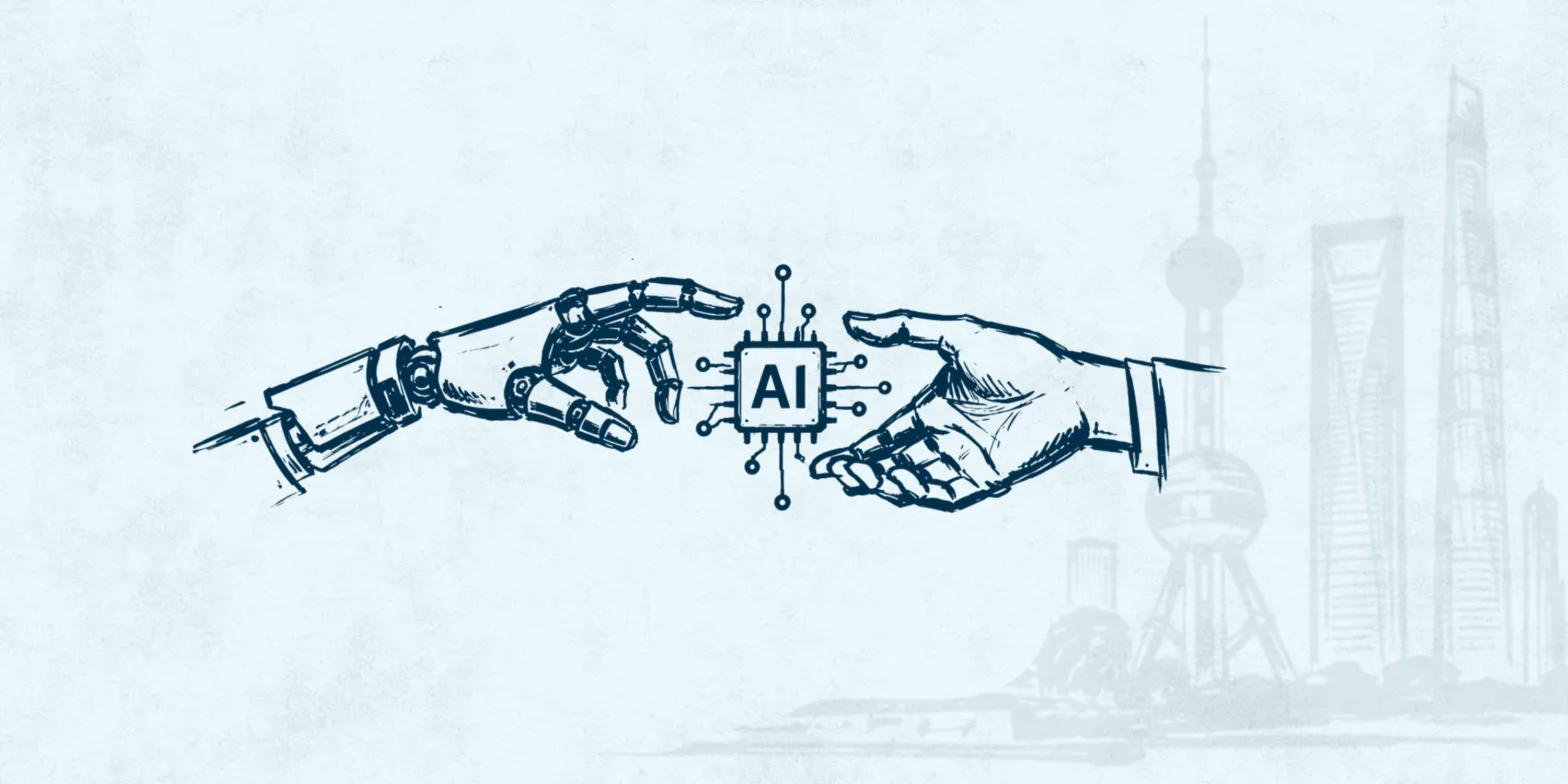
While China seeks to consolidate its existing EU-critical infrastructure, Beijing aims to extend beyond 5G and the grid. Its “AI Plus” strategy seeks to embed AI across industries and digital ecosystems, thereby generating security risks, while also implementing a refined authoritarian outlook. Key takeaways: As the EU begins to look at policy options to deal… Continue reading “AI Plus”: China’s new authoritarianism

China’s economic coercion: The case of Japan and the lesson for Europe

The US-China trade war has helped normalize sanctions as a tool of statecraft. In the latest dispute between China and Japan over Prime Minister Sanae Takaichi’s comments on Taiwan, the risks of Beijing’s growing use of economic pressure are back in focus. This article traces the evolution of China’s economic coercion, examines Japan’s diversification strategy,… Continue reading China’s economic coercion: The case of Japan and the lesson for Europe

Europe’s money, China’s companies, Georgia’s authoritarians: The paradox undermining Western leverage

As Georgia slides deeper into authoritarianism, the West has responded with political sanctions and the suspension of aid. Yet these steps are being quietly blunted by a parallel stream of Western-backed development finance that continues to flow through international financial institutions. Even as Brussels and Washington distance themselves politically, taxpayer funds continue to finance major… Continue reading Europe’s money, China’s companies, Georgia’s authoritarians: The paradox undermining Western leverage

Denmark: From naiveness to tight security screenings on Chinese academics

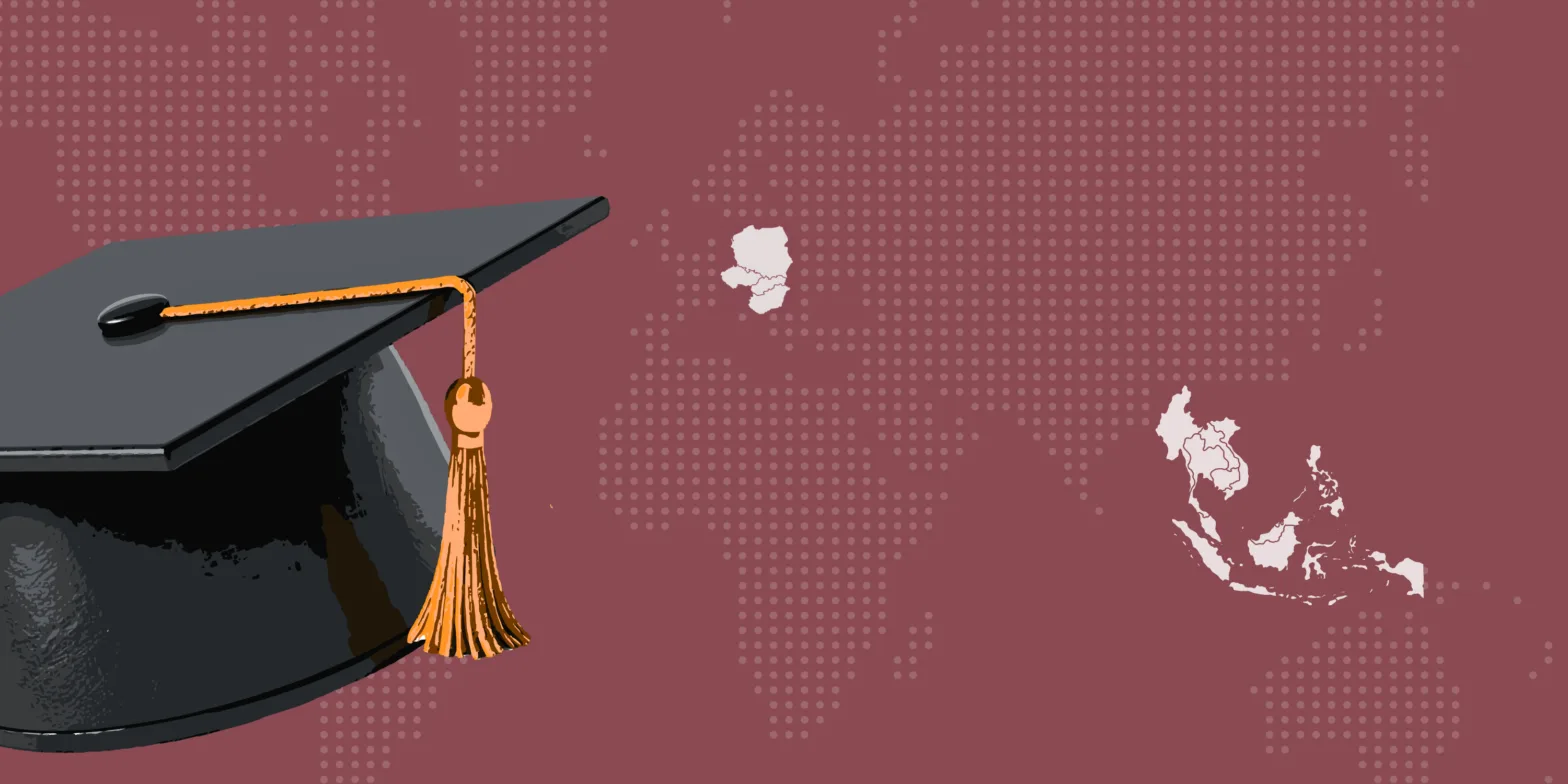
A strategic partnership agreement signed in 2008 was meant to usher in a new era of research cooperation between Denmark and China. Danish officials had spent years courting the “new global superpower,” and the deal placed particular emphasis on education, innovation, and research cooperation with China. It promised greater student mobility and easier access for Danish universities… Continue reading Denmark: From naiveness to tight security screenings on Chinese academics

Malta: Recent rise in cooperation with Chinese universities lacks discussions on potential risks

Malta’s engagement with China is a relatively recent phenomenon. Although cooperation began in 2009, activity has increased sharply over the past two years. Contrary to the growing skepticism and the publication of research guidelines across European countries, Malta appears to remain open to Chinese students and researchers. As part of this project, we have investigated… Continue reading Malta: Recent rise in cooperation with Chinese universities lacks discussions on potential risks

office@ceias.eu

Dunajská 37
81108 Bratislava
Slovakia

Sign up for our newsletter to receive the latest news and updates from CEIAS.

All rights reserved.

© CEIAS 2013-2024